Smarter Living in 2026: Everyday Lifestyle Changes That Make Life More Productive and Convenient
Discover smarter living strategies for 2026, from digital tools and healthy routines to practical time management habits that make everyday life more productive.
Modern life often requires people to balance work, family responsibilities, personal interests, and daily tasks. As digital technology becomes more accessible, small lifestyle adjustments can help simplify routines, reduce unnecessary distractions, and make better use of available time.
Smarter living does not mean filling every hour with activities or relying on technology for every decision. Instead, it involves building practical habits, organizing priorities, and choosing tools that make daily responsibilities easier to manage.
Discover a wide range of the latest information, breaking news, and in-depth reviews that will broaden your perspective on various engaging topics. Find out more, only at Two Rates Media.
Use Digital Tools to Organize Daily Tasks
Digital calendars, reminder applications, and task management tools can help people organize appointments, deadlines, shopping lists, and personal commitments. Keeping important information in one accessible place can reduce the likelihood of forgetting essential tasks.
Choose tools that fit your routine rather than using multiple applications for the same purpose. A simple calendar and a prioritized task list may provide enough structure without creating additional notifications or administrative work.
Improve Productivity Through Better Planning
Planning the day in advance can help people focus on important responsibilities instead of reacting to every new request. Identifying two or three priorities each morning makes it easier to allocate time and recognize what deserves attention first.
Breaking large projects into smaller actions can also reduce the feeling of being overwhelmed. Short, focused work sessions followed by suitable breaks may help maintain concentration, especially when tasks require sustained attention.
Create a More Organized Living Space
An organized environment can make everyday activities easier by reducing the time spent searching for documents, clothing, tools, and household supplies. Keeping frequently used items in consistent locations helps create a more predictable routine.
Start with one area, such as a desk, kitchen counter, or wardrobe, instead of attempting to reorganize the entire home at once. Regularly removing unused items and returning belongings to their designated places can help maintain the results.
Build Healthy and Sustainable Daily Habits
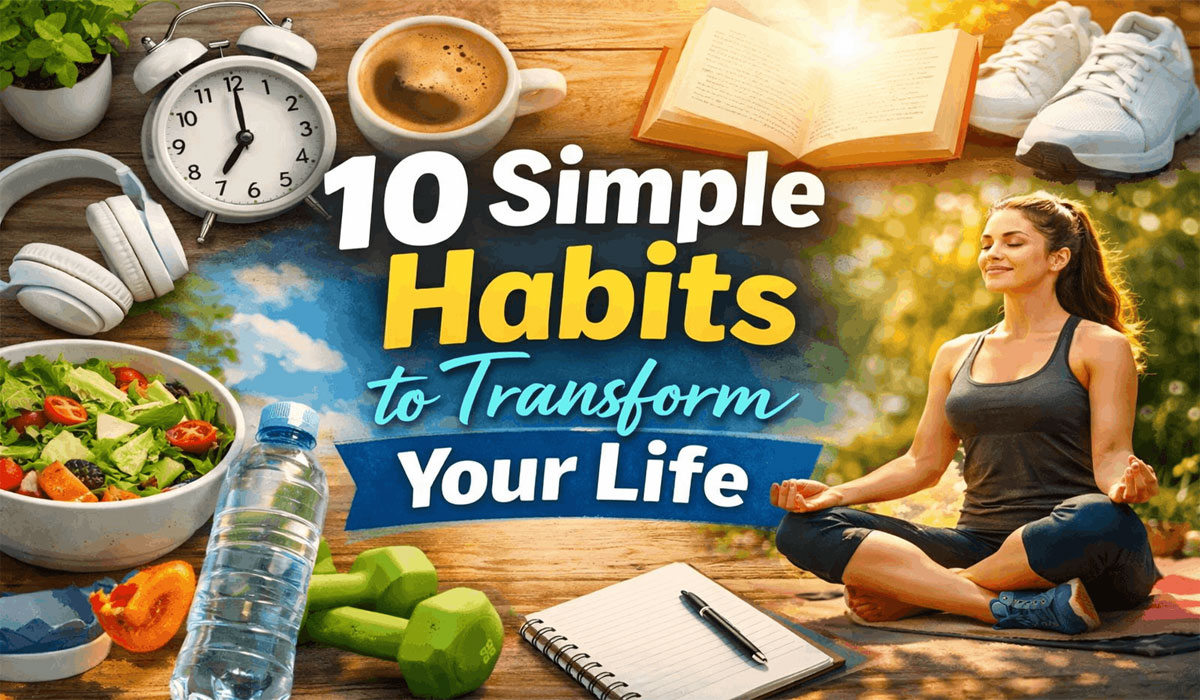
Simple habits such as maintaining a consistent sleep schedule, preparing balanced meals, drinking enough water, and including regular physical activity can support general well-being. Small changes are often easier to maintain than dramatic routines that demand too much time.
People should adapt lifestyle habits to their individual needs, responsibilities, and circumstances. A realistic routine that allows for rest and flexibility is more sustainable than a rigid schedule that becomes difficult to follow.
Also Read: Build Wealth Faster with This Powerful Crypto Pillar Method
Use Technology Without Increasing Distractions
Smart devices can simplify communication, shopping, banking, and household management. However, constant notifications and frequent app switching can interrupt concentration and make ordinary tasks take longer.
Consider disabling nonessential alerts, setting specific times to check messages, and keeping distracting applications away from the main work screen. Technology should support daily priorities rather than compete with them.
Make Everyday Spending More Efficient
Practical financial habits can make daily life easier by helping households manage expenses and plan purchases. Reviewing subscriptions, preparing shopping lists, and comparing prices can reveal opportunities to reduce unnecessary spending.
Automated bill reminders and budgeting applications can also help organize financial responsibilities. Users should review transactions regularly, protect account credentials, and avoid sharing sensitive financial information with unverified services.
Conclusion
Smarter living in 2026 comes from combining practical planning, organized spaces, sustainable habits, and thoughtful technology use. By introducing manageable changes and reviewing what works, people can make everyday routines more convenient without adding unnecessary complexity.